

Let’s face it, showing up on Google without paying a single penny simply feels like winning the lottery. But here’s the catch: this is not about luck; this is all about strategy. And that strategy has a name that is Organic search optimisation. No matter if you are running an online store, a small blog, or a corporate site, knowing this concept can make a significant difference in your visibility online. What is Organic search optimisation, and how do you even start with it without feeling overwhelmed? This is exactly what we’re unpacking in this guide.
A Brief About Organic Search Optimisation
Alright, let’s start from the top. Organic search optimisation is the process of improving your site, therefore it appears higher in search engine results, like Google, without paying for ads. And this is all about making your content helpful, your website friendly, as well as your presence strong in the eyes of search engines as well as users.
Let’s say someone types “how to bake a chocolate cake.” If your page has useful tips, loads fast, looks amazing on mobile, and has content people really enjoy, Google’s more possibly to show it. That’s completely organic. You didn’t pay for that spot; you simply earned it.
Why Organic Search Optimisation Matters More Than Ever
In a world where ads are everywhere, users are becoming more selective about what they click. And the majority of the people scroll past ads and head straight to the actual stuff, the organic results. And this is why organic search optimisation has become the long game worth playing. Furthermore, it brings in trust, long-term traffic, and honestly, better return on investment (ROI) over time compared to paid campaigns. Furthermore, not to mention, it creates your credibility cause if Google trusts your site enough to rank it high, people will as well.
The Role of Search Engine Rankings in Organic SEO
Now, let’s talk about search engine rankings, cause this is where the magic happens. Your ranking depends on where your website appears in the search results. Higher = better. Very obvious, isn’t it?
However, what many people don’t realise is how many things impact this. From page load speed and content quality to how well you’re following technical SEO best practices, it’s a big mix. And sometimes, it’s not even just about your site, and it’s also about your competition.
Your goal? Climb that ladder. Slowly, steadily. Because guess what? Most users never click past the first page.
Getting Started: A Personal Take
When I first started learning about organic search optimisation, I’ll be honest and it was confusing. There were too many articles, jargon everywhere, and everyone claimed to have “the secret.”
But here’s what helped me: starting small.
I focused on writing content people actually needed. And I paid attention to how I searched for things on Google. I cleaned up my website, made sure it worked on my phone, and read real blogs (not just SEO guides) to see what clicked with people.
So, don’t stress about perfect scores or flashy tools right now. Just begin. One step at a time.
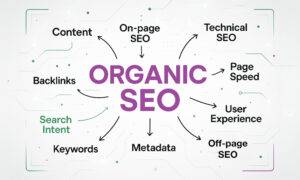
Core Elements of Organic Search Optimisation
Content Optimisation for SEO
Here’s where the real work (and fun) begins. Content optimisation for SEO means improving your text so that it makes sense to your readers and to search engines. That involves using keywords naturally, formatting your posts with headings, and answering actual questions people have.
It’s not about tricking Google! This is actually all about helping it understand your content. And guess what? If your readers love it, so will Google.
So, take your time with this part. Create blog posts that speak clearly, avoid fluff, and give readers a reason to stay on your page. Add images, examples, maybe even a joke or two. That personal touch goes a long way.
Technical SEO Best Practices You Shouldn’t Ignore
I know the word “technical” can sound intimidating. But it doesn’t have to be.
Technical SEO best practices include things like:
- Making sure your site loads quickly
- Fixing broken links
- Having a mobile-friendly design
- Creating a sitemap so search engines can crawl your site
Even things like using proper heading tags (H1, H2, H3…) matter. When I started out, I ignored these and wondered why my content wasn’t ranking. Turns out, Google needs structure just like we do.
One trick? Use tools like Google Search Console to keep track of errors and improvements. They’re free and super helpful.
Backlinks- The Internet’s Word-of-Mouth
Backlinks are links from other websites that point to your site. Think of them as online votes of confidence. The more high-quality backlinks you have, the more credible your site looks to search engines.
And no, not all backlinks are equal. One link from a major publication can boost your site way more than dozens from low-quality blogs.
But don’t worry too much about chasing links. Focus on creating content so good that people want to share it. That’s the long game of organic search optimisation.
How to Choose the Right Keywords (Without Losing Your Mind)
You’ve heard it before: “use the right keywords.” But how do you even know what those are?
Start with tools like Google’s Keyword Planner or even just Google’s auto-suggest. Type something in and see what pops up. That’s what people are actually searching for.
Look for terms that are relevant but not overly competitive. For example, instead of just “SEO,” try something like “easy SEO tips for beginners.”
Use your chosen keywords in your headings, introduction, and naturally throughout the post, simply like we’ve done here with organic search optimisation.

Balancing SEO with Human Experience
Here’s something nobody tells you: Over-optimising can actually hurt.
Google’s smarter than ever. It can tell if you’re writing for robots instead of people. So yes, use your keywords, but don’t overdo it. If a sentence feels awkward, cut it. If a heading feels forced, tweak it.
Search engine rankings are important, but they’re just one piece of the puzzle. A reader who trusts you is worth way more than a keyword win.
Avoiding the Common Pitfalls
Let’s get real, we all make mistakes. Blog posts flop. Pages don’t load. Meta descriptions are forgotten.
Here are a few common traps to avoid:
- Keyword stuffing (seriously, don’t do it)
- Ignoring mobile usability
- Skipping meta titles/descriptions
- Not checking your analytics
- Forgetting to update old content
Keep an eye on your site. Refresh pages. Test things. And above all, stay curious.
How Long Does Organic Search Optimisation Take?
The hard truth? It takes time.
Organic search optimisation is not an overnight success. Sometimes you’ll see movement in weeks, sometimes months. And occasionally, Google changes the game with an update, and you have to adjust.
But here’s the silver lining: the results are long-lasting. Unlike ads that disappear when the budget runs out, organic rankings can keep driving traffic for years if you maintain them.
Be patient. Be consistent. It’s worth it.
Measuring Success the Right Way
How do you know if your organic search optimisation efforts are working?
Look at:
- Your traffic sources (organic vs. direct vs. paid)
- Time spent on page
- Bounce rate
- Keyword rankings
- Conversions from organic search
Don’t just focus on traffic. Focus on whether that traffic is doing what you want subscribing, buying, contacting you.
Numbers are great, but your real success? Building trust.
A Few Real-Life Lessons from the Field
Quick side story: I once helped a local bakery improve their website by fixing a few headings, adding better descriptions to their products, and writing a couple of helpful blog posts — like “How to Store Cupcakes Overnight.”
Their organic traffic tripled in two months.
They didn’t spend on ads. No fancy SEO agency. Just basic, honest organic search optimisation done right.
You don’t need a huge budget to see results. Just a bit of heart, strategy, and a willingness to learn.
Where to Start Today (Not Tomorrow)
Still reading? That’s a good sign. It means you’re ready to get started.
So, what’s the first step?
- Choose one page or blog post on your site.
- Check if the keyword is clear.
- Make sure it loads fast and looks good on mobile.
- Add useful headings.
- Update the content with helpful, fresh info.
- Track the results over time.
That’s it. You’ve just started your journey into organic search optimisation.
Final Thoughts on Organic Search Optimisation
It’s tempting to look for shortcuts. But in SEO, the best results come from consistent effort, real value, and always thinking about the person behind the screen.
So take it slow. Learn. Adjust. Celebrate small wins.
Whether you’re blogging, running a shop, or growing a brand, organic search optimisation is your foundation for real, lasting visibility.
Ready to Grow? Let Armada Internet Help You
At Armada Internet, we specialise in helping businesses grow through smart, effective, and simple SEO strategies. From technical SEO best practices to content optimisation for SEO, we’ve got you covered with proper results.
Let us help you improve your search engine rankings with powerful organic search optimisation strategies tailored to your brand. Get in touch with us today!


