
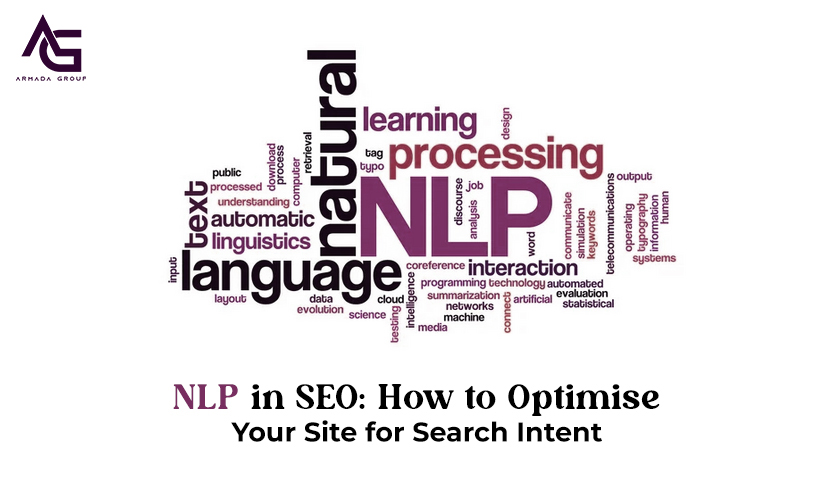
When it comes to SEO recently, it’s no longer about just stuffing a bunch of keywords into your pages. Things have changed. Search engines are getting wiser, and one of the most thrilling advancements behind that intelligence is NLP, which is also known as Natural Language Processing. Knowing and applying NLP-based SEO techniques can help you tap into how people actually search and, more importantly, why they search the way they do.
I’ll be honest: the first time I heard about NLP in the context of SEO, I thought it sounded way too technical for a non-coder like me. However, with time, I started noticing how these techniques make your content more human-friendly. And once you get the hang of it, it’s surprisingly intuitive.
Let’s explore it and see how you can actually optimise your site for search intent using NLP-based SEO techniques without getting overwhelmed. To know more, stay tuned with us!
What Is NLP in SEO?
Before we get too far, let’s break it down. Natural Language Processing (NLP) is a branch of artificial intelligence, and it helps machines understand human language, like how we talk, ask questions, or even make typos. And when it comes to SEO, NLP is what allows search engines to interpret search intent instead of scanning for keywords.
Instead of matching a search like “best pizza London” only to websites with those exact words, Google looks at context, user behaviour, and even sentence structure. That’s NLP at work.
And this is where NLP-based SEO techniques step in. These are SEO strategies that align your content with how NLP algorithms work while making your site more relevant, helpful and more understandable to searchers.
Why Search Intent Matters More Than Ever
Let me throw a question your way: Have you ever Googled something and clicked on a result that completely missed the mark? That’s what happens when content doesn’t match search intent.
Search intent is the “why” behind every search query. Are they just looking for information? Trying to make some purchases? Comparing options? With NLP-based SEO techniques, you can ensure that your content speaks to that intent effectively and clearly.
Understanding search intent means you’re making pages that help the user do what they really came to do. Well, it might sound simple, however this is one of the most overlooked parts of SEO.
Types of Search Intent You Need to Know
Let’s go over the four main types of search intent. Make sure to keep these in mind every time you update or create content using NLP-based SEO techniques.
- Informational – The user is searching for knowledge (e.g., “how to clean a laptop keyboard”).
- Navigational – They’re trying to get to a specific site (e.g., “Twitter login”).
- Transactional – They want to make a buy or take a significant action (e.g., “buy wireless headphones”).
- Comparative/Commercial – They’re weighing options before making any kind of purchase (e.g., “best budget smartphones 2025”).
If your content doesn’t align with one of these, your rankings will struggle, no matter how “optimised” your page is.
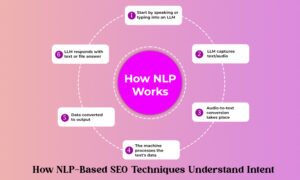
How NLP-Based SEO Techniques Understand Intent
Now, this is where it gets a bit more overwhelming. NLP-based SEO techniques focus on matching not just the words people use, but the meaning behind them.
For example, let’s say someone searches on the search engine “how to resolve a leaky faucet.” They’re not searching for a plumbing theory! They basically want a practical step-by-step guide. NLP helps search engines recognise that. Your job is to create content that satisfies that intent, in that specific tone.
Here’s what NLP-based algorithms look at:
- Synonyms and related terms (e.g., “leaky tap” vs. “leaky faucet”)
- Entity recognition (knowing that “Apple” could mean fruit or the tech company)
- Sentiment analysis (gauging the emotional tone of the content)
- Topic relevance (seeing how well your content covers the entire theme)
And don’t worry, you don’t have to be a tech person in this case to make this work and to be very honest, most of it comes down to writing naturally and understanding your audience.
NLP-Based SEO Techniques to Apply Right Now
Structure Your Content Around Real Questions
People ask Google real-life questions all the time: “What is the best and most popular way to learn SEO?” or “Is coffee good for health?”
Answer them directly. Use different kinds of tools, like Google’s “People Also Ask” section, to explore common questions. Then create content that responds to those questions clearly and naturally.
Well, this is an easy way to align with NLP-based SEO techniques, because search engines are actively seeking those Q&A patterns.
Use Semantic Keywords and Related Terms
Gone are the days of simply repeating one keyword a hundred times. Instead of doing this, it is recommended to mix up these with related terms and phrases that match the user’s language.
For instance, if your keyword is “digital marketing,” you can consider adding:
- Online advertising
- SEO strategies
- Social media campaigns
This tells Google that your content is contextually rich and contains something that NLP-based SEO techniques love.
Write for Skim Readers (and NLP)
Let’s face it: most of us skim. Search engines know that as well. Now, try breaking your content into short paragraphs, using bullet points, adding subheadings, and highlighting key phrases.
Doing this makes your content more accessible and also easier to crawl, both for humans & NLP algorithms.
Focus on Entities, Not Just Keywords
This one changed the way I write.
Entities are real-world things: people, brands, places, and products. For instance, “Tesla” is an entity. Mentioning entities and connecting them logically in your content helps NLP understand the true meaning of your page. Therefore, if your article is about electric vehicles, mentioning Tesla, EV battery life, Elon Musk, and charging stations helps build topic authority.
Answer the Why, Not Just the What
Here’s where NLP-based SEO techniques actually shine. Go beyond just defining a term and also ask yourself: why is this useful to the reader?
If you’re writing about content marketing, don’t just say what it is. Try to talk about why it matters, how to begin, and what to avoid. That depth is what makes NLP-driven content rank higher.
Refresh Old Content with NLP in Mind
This one’s underrated.
At times, your existing content requires a refresh. It may have been written with keywords in mind, but proper intent is not maintained. Try utilising tools like Google Search Console to find which pages have traffic with low engagement. You can update those using NLP-based SEO techniques while adding better questions, more precise answers, and updated language.
Examples of NLP in Action
Let’s look at a quick example. Imagine someone searches:
“Best budget-friendly hotels in UK for families”
Old-school SEO might target: budget hotels UK
But NLP understands:
- They’re planning a family trip, and they’re on a budget
- They want to stay in UK and they’re looking for recommendations
So your content should:
- Mention family amenities (kid-friendly, breakfast everything included)
- Highlight budget-friendly pricing
- Try to add real hotel names (entities!)
- Incorporate emotion like “stress-free stay” or “perfect for kids”
That’s how NLP-based SEO techniques help match your content with real intent.
NLP Isn’t About Beating the Algorithm- It’s About Understanding People
At times, this might sound pretty odd coming from someone writing a blog for SEO, however, here’s the truth: search engines are trying to become more like people. Optimising for NLP simply means optimising for humans.
That’s why you’ll notice that most successful pages in recent days don’t feel robotic. They feel personal, emotional, in fact, at times, even messy. There’s a charm to that, because it’s real.
Use contractions, ask questions, and also admit you don’t know everything. Vulnerability resonates with readers, and it turns out, NLP picks up on that too.
A Few Honest Mistakes Are Okay
You don’t need to be perfect.
At times I leave a sentence hanging just a bit longer than I should, or I mix casual and formal ones in the same paragraph. But that’s how people talk, isn’t it?
In fact, these “flaws” often make your writing more believable and when it comes to NLP-based SEO techniques, believable is always better than robotic..
Time to Rethink SEO With NLP in the Driver’s Seat
If you’re still thinking of SEO as a box to tick, then this is the time to rethink things. NLP has shifted the rules. In current days, it’s less about keywords and more about communication. And here we are talking about real communication.
Every time you write content, ask yourself:
- What is the reader actually trying to achieve?
- How would I say this to a friend?
- Does my content feel natural or like it’s built for a bot?
That shift in mindset is the secret to applying NLP-based SEO techniques in the most effective manner.
Final Thoughts
You don’t need to revamp your whole website overnight. It is always recommended to start with one page. Then update it with clearer answers and try to incorporate some warmth. On the other hand, you can use NLP-based SEO techniques to guide your flow. And most importantly, write like you mean it. Because at the end of the day, the best SEO isn’t about chasing rankings. This is all about reaching people.
Need Help with NLP-Driven SEO?
At Armada Internet, we help businesses tap into the power of NLP-based SEO techniques to build each page in the most effective and natural manner. Our proficient team brings both technical knowledge and human creativity to the table.
If you are ready to optimise your website for the way people actually search? Get in touch with Armada Internet and let’s make your content work smarter.


