
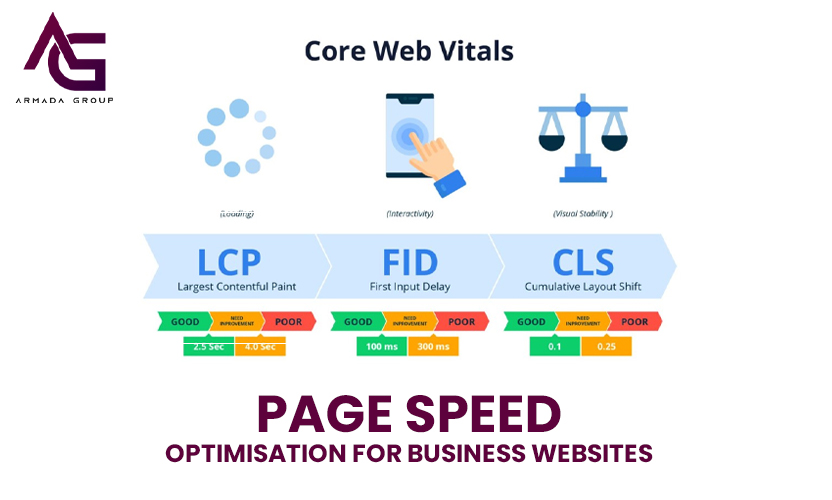
Every website needs to load fast, and a slow website loses visitors quickly. In today’s digital space, speed is everything. Page speed significantly impacts user experience and search engine rankings. That’s why Page Speed Optimisation matters more than ever. It is not only about faster websites, but also about smoother user journeys and more meaningful engagement. Visitors are more likely to take action on a fast-loading site, and for business websites, especially small ones, speed is a critical advantage.
Why Speed Matters for Small Business Websites?
Visitors expect quick-loading pages, and if your site takes more than a few seconds to load, users will simply leave. Page Speed Optimisation ensures that your website keeps visitors engaged. This is particularly important for small business websites seeking to expand. Nowadays, customers have limited patience, and they are more likely to trust and interact with businesses that value their time and respect their needs.
A fast website reduces bounce rates and improves the perception of professionalism, boosting user confidence. Even one extra second can affect user satisfaction. That is why improving speed is no longer optional, since it is a core part of website strategy.
Search engines reward speed. And Google takes loading times into account. Page Speed Optimisation also helps your SEO efforts. You move higher in rankings, making your business more visible. And visibility leads to more traffic, more leads, and more growth.
Prominent Advantages of Page Speed Optimisation
Faster websites convert more visitors into customers, and a well-optimised site builds trust. People trust websites that load instantly. That’s why Page Speed Optimisation is a key part of digital success. And beyond the user benefits, it also potentially decreases resource use. Fast sites need less bandwidth and server space.
Improved user experience leads to better interactions, and sites load smoothly across all devices. It supports both mobile users and desktop users. Increased conversions mean more sales or leads. And lower bounce rates mean more users stay on your site. These combined benefits make your site more competitive in any niche.
Your business appears more professional, and users appreciate websites that respect their time. Faster websites also increase time-on-site metrics. Therefore, visitors browse more, view more pages, and take more action. All of these benefits make Page Speed Optimisation one of the wisest investments for online growth.
Potential Factors That Affect Page Speed
Several elements can slow down your site, including large image files, excessive scripts, or poor hosting, which are some of the prevalent issues. Recognising what affects your site helps with Page Speed Optimisation, and fixing these areas often provides immediate improvement.
Images are one of the biggest culprits. Oversized images slow down every page. Scripts from ads or widgets can clog performance. Shared hosting plans may also slow down your load time. Sometimes, you find that poorly coded themes or plugins add to the burden. Therefore, understanding and fixing these issues will significantly boost your website’s speed.
Fonts and icons can also affect speed. And if your website loads multiple fonts, it takes longer. External scripts, such as embedded social media widgets, can add delays, and reducing these can help improve performance. Every small change adds up, and together, they result in noticeable speed improvements.
How to Start With Page Speed Optimisation?
Ensure you begin with a site audit. Initially, try to identify what slows your website, and then create a plan to fix those issues. Always remember that small changes can lead to significant improvements. Focus on both fast fixes and long-term gains, and strive to keep your goals both achievable and straightforward.
Compress large images using web-friendly formats. Additionally, enable browser caching to reduce reload times. After that, remove or combine scripts. It helps you make your code cleaner. Furthermore, minify CSS and JavaScript for leaner file sizes. Then it’s time to optimise your database and remove spam or unused data. Remember that every step makes your website faster and more reliable.
Furthermore, consider lazy loading for images and videos. It means content loads only when needed. It speeds up initial loading time and cleans up broken links and unused media files. These steps keep your site lean and clean, and page Speed Optimisation becomes easier when done consistently.
Tools for Measuring Site Speed
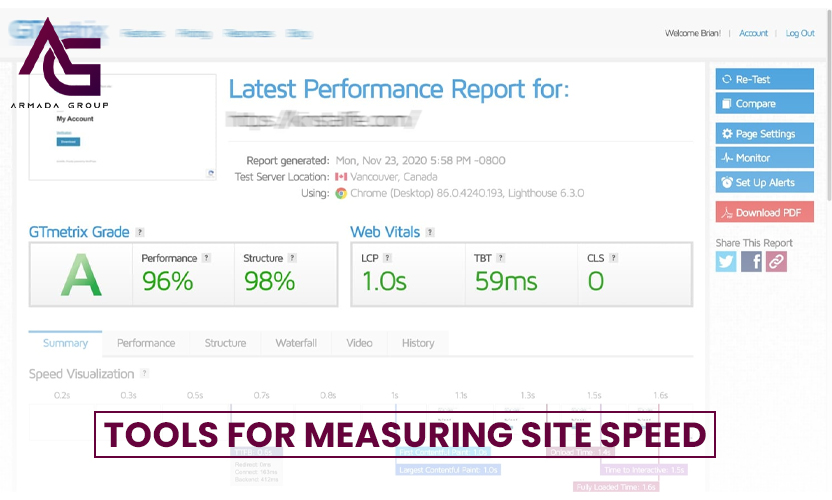
Use online tools to check your current speed. These help guide your Page Speed Optimisation efforts. They highlight areas you need to improve. Always try to keep tracking your progress, and never rely on assumptions. Use real data to make informed decisions.
Google PageSpeed Insights provides suggestions along with scores, while GTmetrix offers a detailed breakdown of speed metrics. Well, Pingdom is simple and great for beginners, and WebPageTest offers advanced testing options. Use these tools regularly to understand improvements and trends, as they help you focus on what matters most.
You can also use Lighthouse from your browser, as it provides detailed audits and recommendations. These tools offer technical insights in easy-to-read formats, and regular monitoring helps identify problems before they impact visitors. Page Speed Optimisation is more effective when supported by proper tools.
Hiring Local Website Speed Experts
Sometimes, you need professional help, and local website speed experts understand your market and users. They bring in-depth knowledge and experience. Furthermore, they make your site faster and more efficient. Therefore, working with a local expert also allows quicker solutions and better communication.
They know which tools work best for your area and also offer ongoing support if problems arise. Moreover, they customise improvements for your specific site. So, their services can save you hours of troubleshooting. When it comes to small businesses, this level of personalised help is invaluable. And always trust professionals to handle complex issues.
Local experts also support your community, so hiring locally builds business connections. It keeps money within your region, and also helps you grow faster with tailored solutions. Therefore, page Speed Optimisation from nearby pros often brings faster results.
Improve Loading Time for Small Business Websites
Small businesses often use templates and plugins, which can collectively slow down your site. Page Speed Optimisation ensures these tools work more efficiently. Clean and lean code makes a big difference. Therefore, reducing non-essential features is also key.
Remove unnecessary plugins that you no longer use, and choose lightweight themes designed for optimal performance. It is always recommended to go for better hosting providers that offer faster load times. And also make regular backups and keep your site updated—a streamlined website yields more rapid results and improved user satisfaction.
Additionally, reduce redirects. Each redirect adds loading time. Ensure your pages don’t loop through unnecessary URLs, and keep your design simple to avoid clutter. Remember that minimalist sites often load faster and perform better. Every second saved makes a difference.
Professional Site Speed Services
Professionals in Page Speed Optimisation offer structured services. These services are tailored specifically for your business. They involve testing, tweaking, and tracking. So, everything is focused on improving performance.
Services may begin with a comprehensive technical audit, which uncovers all speed-related technical issues. Professionals will then fix broken scripts, optimise images, and set up caching. They might suggest a CDN or a better hosting plan. These are all part of professional site speed services designed specifically for businesses. So, it’s a complete package of improvement.
Many service providers also offer reports, which show the changes made and their impact. Moreover, it keeps your website running smoothly even after changes. Page speed optimisation is an ongoing effort, and professionals make it sustainable.
Faster Website Performance for Businesses
Fast websites perform better in every area, ranking higher and converting more. Page Speed Optimisation helps your business grow online. Moreover, it improves every part of your user journey. So, a better experience means happier customers.
Pages load instantly, keeping users interested. Forms work faster, increasing sign-ups. Images and videos display without delays. This makes every interaction better, whether you sell products or promote services; speed gives you an edge. Faster website performance is a significant growth driver for businesses.
It helps in branding, too. Fast websites look and feel more premium, and your visitors remember the smooth experience. They are more likely to come back. That’s why speed boosts not just sales! But loyalty, too.
Optimise Site Speed for Better Search Rankings
Speed is a ranking factor for search engines, and if your website is slow, it will negatively impact your rankings. Page Speed Optimisation helps you stay on top. Therefore, it’s essential for SEO and visibility, and search engines aim to provide users with the best experience.
Optimising speed means your content is easier to find. So, it means users stay longer and explore more. Google favours websites that load quickly and run smoothly. And optimise site speed for better search rankings and stay ahead of competitors. Therefore, rankings bring traffic, and traffic brings results.
Search engines use multiple factors, but speed is constant. As mobile usage increases, speed gains more importance, and fast-loading sites have better crawl rates. They are easier to index, which means more opportunities to appear in search results
Mobile Speed Matters Too

Most users browse on mobile now. A fast mobile site keeps them engaged, and page Speed Optimisation should focus on both desktop and mobile. Therefore, it is recommended to use responsive design and test your mobile speed often.
Reduce mobile load times with optimised images, and try to avoid heavy elements like autoplay videos. Moreover, using a clean design that loads well on smaller screens is also a great option. Mobile users are often in a hurry, and meeting their needs is crucial to your site’s success. So, don’t lose business because of slow mobile pages.
Use mobile-friendly layouts and fonts. Avoid excessive pop-ups that can affect your speed. Keep mobile content focused and fast-loading. Many tools let you test mobile speed separately. Use them often. A fast mobile site brings more conversions
Ongoing Speed Optimisation
Page speed is not a one-time task. Keep checking your speed. Make speed a regular part of your website maintenance. Page Speed Optimisation is a continuous process. It grows as your website grows.
Test regularly using reliable tools, and update your plugins, themes, and software. Moreover, keep your content light and easy to load. Be cautious of potential issues that may arise after adding new features. Furthermore, speed should always be part of your website checklist.
Schedule monthly audits and utilise backups to safeguard against changes. And always check the speed after updates. Try to make speed a habit, not an afterthought, since it protects your performance in the long run.
Use CDN for Global Reach
A content delivery network (CDN) makes your site faster worldwide. Page Speed Optimisation includes setting up a CDN, and it reduces the distance between your server and the user.
It means faster delivery of your content across regions. Additionally, it reduces the pressure on your server. It also provides more consistent performance for users everywhere. For growing businesses with a broad audience, a CDN is a smart move, as it adds a layer of reliability to your online presence.
Even small businesses benefit from CDNs. They reduce page loading delays during peak times and also improve uptime. Therefore, combined with caching, a CDN ensures stable and fast service.
Why Armada Internet Cares About Speed
At Armada Group, we understand the value of fast websites, and we help businesses optimise their site speed with expert strategies. Our platform promotes firms that perform well online. That’s why we also support Page Speed Optimisation.
We believe in clean, fast websites. Therefore, we provide services that help local businesses improve loading time, and our platform showcases professionals offering professional site speed services. So, if you want faster website performance for businesses, Armada Internet is your go-to place, and we also help optimise site speed for better search rankings.
Page Speed Optimisation is the key to a better user experience and higher conversions. And with Armada Internet, you don’t have to handle it alone. We’re here to support every business, every step of the way, and we connect you with local website speed experts who know how to deliver results. Therefore, let your business grow faster with our trusted platform. Together, we make the web faster and more user-friendly.


