
Paid Social Media Campaigns are essential for businesses. This is especially applicable for those who are aiming to expand their online presence. These campaigns offer driving visibility, targeted exposure, and great engagement. In today’s guide, we will explore all the key elements of Paid Social Media Campaigns, from learning the basics to implementing high-end strategies. By the end, you’ll have a solid grasp of how to create effective Paid Social Media Campaigns that provide measurable results.
Learn Everything About Paid Social Media Advertising Strategies
Effective social media advertising strategies are essential for reaching specific business objectives. Whether the aim is to increase brand awareness, generate leads, or drive sales, a clear and structured approach is vital for successful paid social media campaigns. Key elements to consider include:
- Clearly define your target audience
- Select the most suitable platforms
- Create engaging and persuasive ad copy
- Set a realistic and manageable budget
- Regularly monitor campaign performance and make adjustments as needed
Furthermore, aligning your strategy with your business objectives will give a clearer focus for your Paid Social Media Campaigns. It is recommended to consider conducting competitor analysis. It helps you to identify what strategies are working well within your industry.
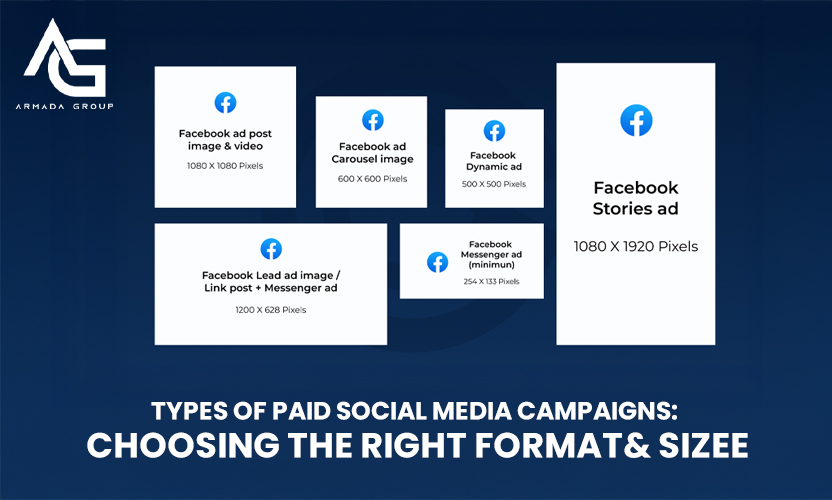
Types of Paid Social Media Campaigns: Choosing the Right Format
Choosing the right format for your Paid Social Media Campaigns can significantly impact your results, and below are the most common types:
- Image Ads
- Video Ads
- Carousel Ads
- Collection Ads
- Stories Ads
Each and every format serves a different purpose. They can be tailored to suit certain objectives. For example, video ads are best suited for displaying product features, while carousel ads work wonders for highlighting different products or services.
Paid Social Ad Targeting: How to Reach Your Audience
Paid social ad targeting enables you to reach specific user groups based on demographics, interests, and behaviour. This level of precision is designed to maximise the impact of your paid social media campaigns.
Key targeting options include:
- Location-based targeting – Reach users in specific geographic areas to tailor your campaigns regionally.
- Interest-based targeting – Focus on users with particular hobbies or preferences to align your messaging with their passions.
- Behavioural targeting – Target users based on their online activity, such as purchase history or site interactions.
- Lookalike audiences – Expand your reach by targeting individuals who resemble your existing customers.
In addition to these, advanced strategies like remarketing lists and custom audiences can further extend your campaign’s reach and effectiveness. To achieve the best results, ensure that your targeting strategy aligns closely with your campaign objectives.
Paid Social vs. Organic Posts
Paid social media and organic social media serve different purposes and can effectively complement each other. Understanding these distinctions can enhance your overall social media strategy.
Paid Social
A business pays for an advertisement to be shown to a target audience, and this helps them reach new people who are actually interested in their product or service. Eventually, this drives leads and conversions.
Organic Posts
A business shares content for free without any paid promotion. Organic posts reach your existing audience immediately but have no targeting options. Social media platforms may show these posts to wider networks based on their algorithms.
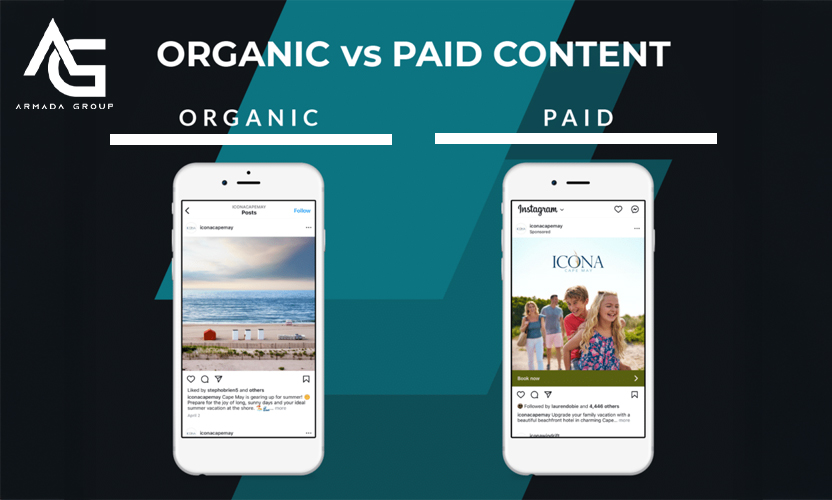
Paid social vs. organic posts comparison
Some social media platforms also allow you to boost organic posts. This means you can pay to promote existing content to users beyond your current followers, helping to expand reach and increase brand awareness.
However, boosting is only effective if the original post performs well organically. Promoting content that lacks engagement or impact is unlikely to support your social media goals. Tools such as Semrush Social can help identify high-performing organic posts that are worth boosting for maximum results.
Campaign Performance Metrics: Measuring Success
Tracking campaign performance metrics is very crucial when it comes to assessing the effectiveness of your Paid Social Media Campaigns. Common metrics include:
- Click-through rate, also known as CTR
- Conversion rate
- Return on ad spend, also known as ROAS
- Cost-per-click which is usually called CPC
- Engagement rate
Therefore, regular analysis of these metrics helps in identifying areas for improvement.
The Importance of Cost-Per-Click (CPC) Optimisation
Cost-per-click (CPC) optimisation involves fine-tuning bids and targeting to achieve the lowest possible CPC while maintaining strong engagement.
To optimise CPC effectively:
- Adjust bid settings based on ad performance
- A/B test various ad creatives to find what resonates best
- Use clear and compelling calls-to-action (CTAs)
- Continuously refine your target audience
Monitoring CPC trends also helps you identify periods of high competition, allowing you to adjust your budget and strategy for better results.
Retargeting Ads on Facebook and Instagram: Reaching Potential Customers Again
Retargeting ads on Instagram and Facebook allow businesses to reconnect with users who have previously interacted with their brand. And this strategy increases the likelihood of conversions. Key tactics in:
- Setting up Facebook Pixel for tracking.
- Creating dynamic retargeting ads.
- Offering special promotions.
- Personalising ad content based on user behaviour.
Implementing retargeting ads as part of your Paid Social Media Campaigns is pretty helpful for your business. It ensures that potential customers remain engaged with your brand, even after they have left your social media profile or website.
Creating Compelling Ad Copy: PRO Tips for Effective Messaging
Effective ad copy is crucial when it comes to Paid Social Media Campaigns. And it needs to be engaging, concise, as well as action-oriented. To create compelling ad copy, follow these tips:
- Ensure to highlight prominent advantages.
- Make sure that you use strong CTAs.
- Ensure to incorporate visuals like videos.
- Keep the message relevant to the target audience.
Budgeting for Paid Social Media Campaigns: Allocating Resources Wisely
Budgeting is a critical aspect of Paid Social Media Campaigns as it assures that your resources are allocated effectively to achieve the desired outcomes. Without hesitation, consider the following:
- Assess your marketing budget in the first place.
- Determine your CPC limits.
- Allocate funds based on audience segments.
- Be sure to monitor spending and adjust as required.
Segmenting your budget based on campaign objectives helps in prioritising resources effectively. For example: brand awareness, lead generation, conversions. This approach minimises wastage as well as maximises ROI.
Prominent Benefits of Paid Advertising on Social Media
Paid social media advertising offers businesses lots of powerful benefits. These can significantly impact their marketing efforts, and here are some key advantages:
Generate Engagement Right Away
While organic posts are crucial for creating a brand presence, they usually need time to gain visibility and engagement. Social media algorithms assess content before displaying it to broader audiences.
Target a Specific Audience
Paid social media advertising provides precise targeting capabilities that organic content lacks. Therefore, brands can define their target audience based on:
- Location
- Age & gender
- Interests & hobbies
- Online behaviour
- Device usage
For instance, Facebook allows advertisers to set up custom audiences, assuring that ads are seen by people most likely to engage with the content. This targeted approach maximises the possibilities of reaching potential customers who are actually interested in the service or product.
Drive Leads and Conversions
One of the main goals of paid social media campaigns is to generate leads and then drive conversions. And it can be possible by creating compelling ads with clear calls to action (CTAs),:
- Download a free resource
- Register for a webinar
- Sign up for a newslette
- Make a purchase
Access In-Depth Analytics
Paid social media platforms offer comprehensive performance metrics and detailed analytics, enabling businesses to evaluate the effectiveness of their campaigns. Key metrics such as conversion rates, cost-per-click (CPC), and click-through rates (CTR) provide valuable insights into what’s performing well and what needs improvement. By analysing this data, marketers can make informed adjustments to optimise ROI and drive better results.
Retarget Potential Customers
Retargeting ads are a powerful tool when it comes to paid social media marketing. As they allow businesses to reach users who have previously interacted with their content or visited their website.
And by showing relevant ads to these potential customers, brands can remind them of services or products they showed interest in. It means enhances the possibility of conversion.
Prominent Steps to Create a Paid Social Media Strategy
Creating a successful paid social media strategy includes a series of crucial steps. Without much delay, let’s break it down:
Set Clear Goals and Campaign Objectives
Before launching any paid social media campaigns, make sure to define clear objectives. Without goals, your campaigns may lack direction, this makes it problematic to assess their effectiveness. So, here are some common goals for paid social media campaigns:
Increase Brand Awareness:
Make sure to expand your brand’s visibility among new audiences. Remember, this is a very important step.
Drive Website Traffic: Try to encourage users to visit your website. You can use different methods for this
Generate Leads: Collect contact information from potential customers through targeted ads. It will be useful for the future!
Boost Sales: Persuade your audience to make a purchase or book a service.
Increase Engagement: Motivate users to like, share, as well as comment on your posts. This helps you increase the engagement with your targeted audience.
Having well-defined goals assures that your campaigns are aligned with your business objectives and are measurable.
Understand Your Audience
Recognising your target audience is very crucial in order to run effective paid social media campaigns. And when you’re aware of who you’re targeting, you can tailor your messaging to resonate with them. It results in higher engagement and better returns.
To get a comprehensive understanding of your audience, consider:
- Demographics- age, gender, location
- Interests as well as hobbies
- Online behaviour along with purchasing habits
- Social media usage patterns
Now, you can use tools such as Google Analytics, social media insights, and customer surveys to gather this data.
Set Up Audience Targeting
Audience targeting allows you to show your ads to specific user segments, and it ensures that your content reaches the right people while enhancing the possibilities of engagement and conversions.
Each social media platform offers different targeting options. For instance:
- Facebook: Target users based on age, interests, location, and behaviour.
- LinkedIn: Focus on job titles, industries, and company sizes.
- Instagram: Target users based on interests, demographics, and past interactions.
By leveraging these targeting features, you can refine your campaigns. In fact it helps to reach audiences that are more likely to convert.
Determine Your Ad Budget
Establishing a budget is a critical step when it comes to the paid social strategy process.
Your budget will depend on a number of factors, like the duration of your campaign, the platform you choose, as well as the audience size.
Here are some budget allocation tips:
- Start with a small budget as it helps to test your campaign.
- Monitor campaign performance. And also adjust spending as needed.
- Focus more budget on high-performing ads since it helps to enhance ROI.
Implement Retargeting Campaigns
Retargeting is a powerful strategy. It helps you to reach users who have previously interacted with your brand, and by displaying ads to people who visited your website but didn’t convert, you keep your brand top of mind and encourage them to take action.
To set up retargeting, you need to:
- Install a pixel or tracking code on your website.
- Be sure to create custom audiences, based on user behaviour.
- Create specific ad content. It needs to be tailored to returning visitors.
Social media platforms like Facebook, Instagram, and LinkedIn offer top quality retargeting options for boosting your paid social media strategy.
Create Eye-Catching Ads
The visual and textual content of your ads plays a major role when it comes to capturing your audience’s attention. So if you want to make compelling ads, make sure to consider the following best practices:
- Stick to your brand’s visual identity regardless of the colours, fonts, or imagery.
- Always use high-quality images and videos since these help convey your message clearly.
- Write concise and engaging content with a strong call to action (CTA).
Measure and Analyse Campaign Performance
Monitoring your campaigns is essential to understand what’s working and what actually requires improvement. And social media platforms offer built-in analytics that allow you to track prominent metrics such as:
- Click-through rate /CTR
- Conversion rate
- Cost-per-click /CPC
- Return on ad spend /ROAS
Best Practices for Campaign Optimisation
To maximise the impact of your Paid Social Media Campaigns, follow these best practices:
- Review performance metrics on a regular basis
- Update targeting while focusing on the data insights.
- Test multiple ad formats. It can be images, videos, or carousels.
- Leverage user-generated content.
- Try to add A/B testing. It helps to refine ad creatives.
Continual optimisation is key when it comes to maintaining the relevance and effectiveness of your Paid Social Media Campaigns. So, it is recommended to adjust your strategies based on real-time performance data.
Mistakes Need to Be Avoided in Paid Social Media Campaigns
Avoiding common mistakes ensures your paid social media campaigns run smoothly and deliver results. Common errors to watch out for include:
- Skipping thorough target audience research
- Underestimating CPC budgets
- Overlooking retargeting opportunity.
- Ignoring performance metrics
Being aware of these mistakes allows you to refine your strategy. In turn, you can avoid unnecessary spending on ineffective ads and improve your overall campaign performance.
The Role of Analytics in Campaign Success
Data-driven decision-making is essential for effective Paid Social Media Campaigns, and analytics provide valuable insights that can be used to:
- Understand high-performing ads
- Make the required adjustments while targeting based on audience behaviour
- Track CPC and ROI
- Optimise ad creatives for higher engagement
Why Armada Group is Your Go-To Partner for Paid Social Media Campaigns
At Armada Group, we specialise in creating impactful Paid Social Media Campaigns that drive measurable results. Our team leverages advanced social media advertising strategies, precise paid social ad targeting, and CPC optimisation techniques to deliver exceptional ROI, no matter whether you’re looking to launch a new campaign or refine your existing strategy. We provide expert guidance to help you succeed. Partner with us without any delay to enhance your social media presence and achieve your marketing goals.


